Why are milk prices suddenly dropping? The reason is simple, oversupply as global and UK milk production is running ahead of demand.
In the UK, total milk deliveries from April to October were up by 5.5 % compared to the same period last year; while Northern Ireland has seen very strong growth (+9.2 % in April-July). On the global front, milk flows are accelerating in a similar manner with the EU growing about 6.0 % in September and the US showing 3.2 % growth in August.
While supply is expanding, demand is relatively flat. Global demand has not kept pace with this rapid production growth, and dairy product inventories (butter and cheese in particular) are building. In the UK, household dairy volumes are declining for some categories (cows’ milk volumes down -2.7 % year-on-year), even though spend is up due to price inflation.
This supply-demand imbalance is driving the fall in commodity prices. UK wholesale butter prices dropped £860/t in October after a £500/t fall in September, and mild cheddar lost £310/t month-on-month. Many processors are now cutting farm gate milk and contract manufacturing milk prices: for November several major manufacturers have announced drops of 1.2 to 8 pence per litre.
Put simply, strong production in the UK and internationally, combined with only modest growth (or contraction) in demand, has led to oversupply, rising stocks and downward pressure on dairy commodity and milk prices.
With UK milk prices falling again, many dairy farmers are asking the same question:
How do I protect my margins when the price I’m paid is dropping?
At Promar, we recognise the pressure this creates. However, even in a challenging market, there are opportunities for farmers to strengthen performance and take control of cost per litre. Now is the time to focus on efficiency, consistency and practical day-to-day improvements that deliver value.
Efficiency: the most powerful tool you have right now
Every farm will approach the current situation differently, but the starting point is universal.
How efficiently is your system running today?
Cost of production varies widely between UK dairy farms, often due not to system type or scale but to operational efficiency. This means there is real potential to regain lost margin through well-targeted improvements.
Areas such as concentrates, forage, replacements and electricity all provide opportunities to reduce spend without compromising cow performance. Comparing your performance to industry benchmarks can quickly highlight where the biggest gains could come from.
Quick wins to take now
Focusing first on the simple changes can stabilise your cost base before moving on to larger improvements.
Feed and forage
Small actions can reduce waste and improve feed use:
• Calibrate feeders to ensure accuracy
• Push up feed regularly to maintain good intake
• Repair or tidy storage areas to minimise spoilage
Young stock and replacements
The early stages set the tone for lifetime performance. Reviewing calf housing and rearing routines, ensuring good ventilation and hygiene, and monitoring growth more closely can strengthen long-term efficiency. Reducing casualties and improving cull cow value also contributes to lower replacement costs.
Energy and utilities
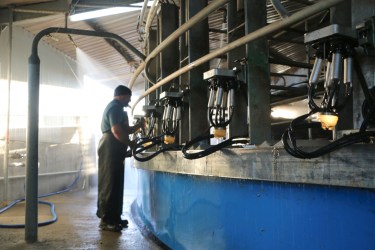
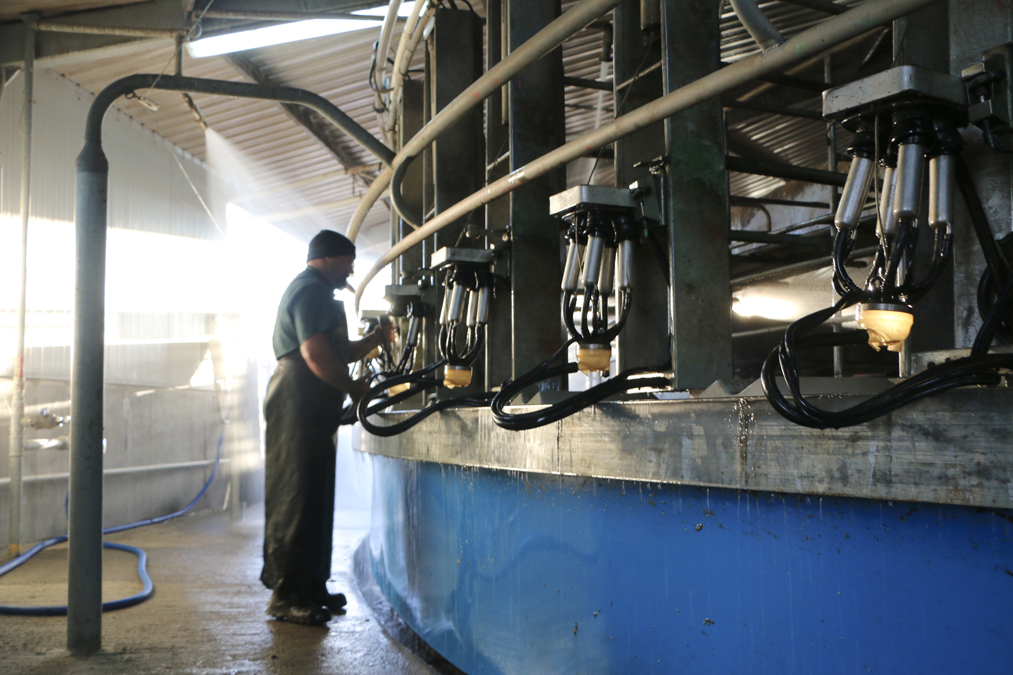
Energy savings often come from housekeeping rather than heavy investment. Checking water temperatures, switching off equipment not in use, using time clocks effectively and ensuring the milking parlour is running efficiently can all deliver regular savings.
Even these smaller improvements can save between 0.3 and 1.3 pence per litre across a year, enough to make a meaningful difference.
Longer-term improvements to reduce cost per litre Feeding strategy
Improving forage quality through better harvesting and clamp management can significantly reduce reliance on bought-in feed. Reviewing cow grouping, rationing and feeding systems can also support higher intakes and more efficient use of resources.
Forage and grazing
Strengthening homegrown feed production provides resilience and reduces exposure to volatile input prices. Options include:
• Improving soil health through detailed analysis
• Reseeding underperforming swards
• Extending the grazing season where infrastructure allows
Replacement strategy
Working towards calving heifers at 24 months and improving cow longevity can reduce one of the most significant fixed costs on dairy farms. Lower replacement rates often lead to better herd structure and improved long-term performance.
Energy planning
Longer-term investments such as heat recovery systems, reviewing tariffs or installing variable-speed vacuum pumps can deliver sustained savings and improve the efficiency of essential equipment.
Why acting now matters
Milk prices will continue to fluctuate, but your efficiency will define how well your business weathers those movements. Addressing waste, tightening routines and improving performance now can help prevent a short-term price drop from becoming a long-term challenge.
We’re here to help you identify your efficiency wins
Promar consultants work alongside dairy farmers across the UK to pinpoint where improvements will have the greatest impact. We help you:
• Understand your production costs
• Benchmark against similar systems
• Identify realistic opportunities
• Build targeted plans that support better profitability
Speak to our team today on 01270 616800 and let us help you turn today’s challenges into tomorrow’s opportunities.
About The Author